
What Kroger and Target Teach Us About Brand Strategy (And Knowing Your Audience)
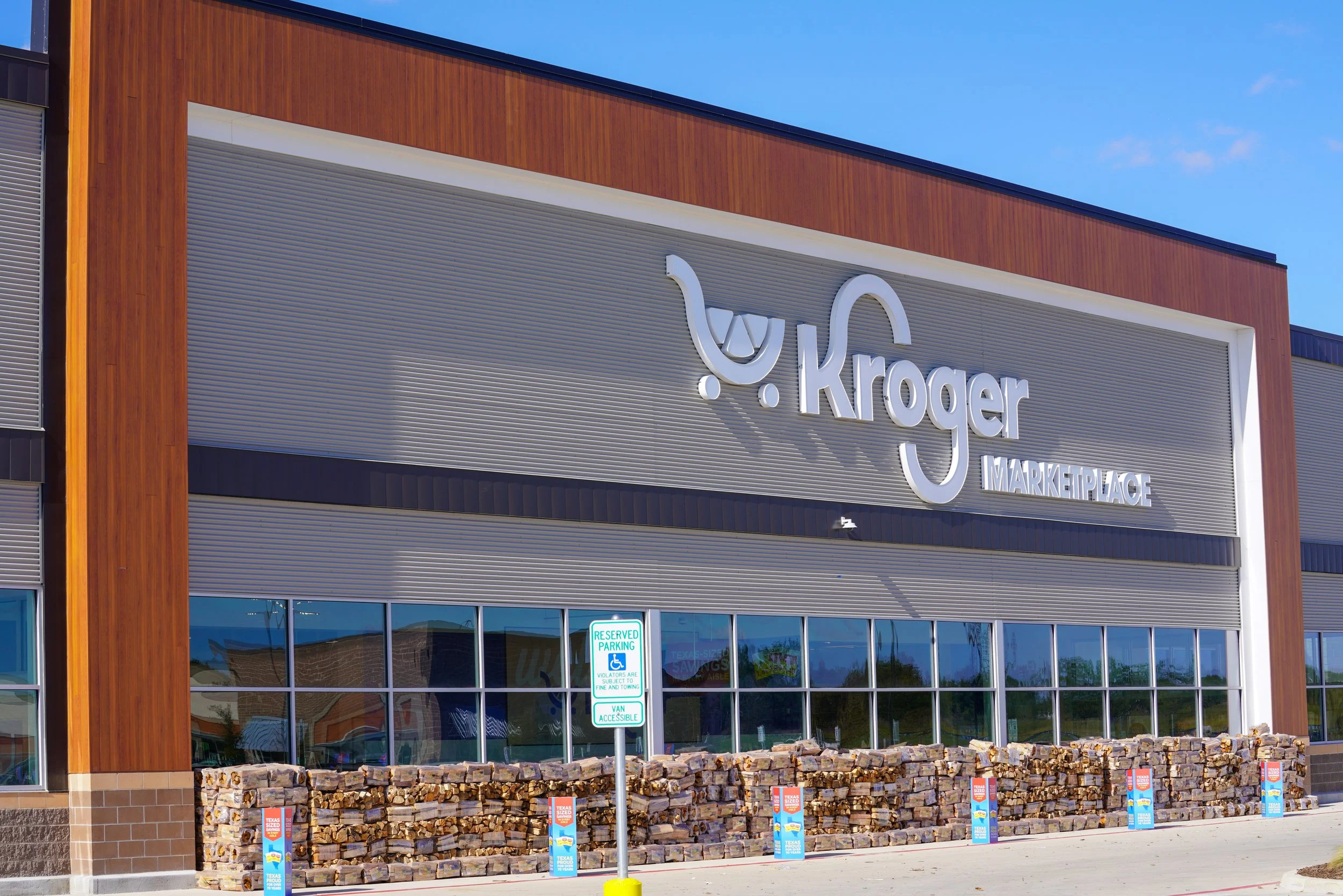
If you pay attention, big corporations will hand you a brand strategy lesson on a silver platter. You just have to be watching when they do.
This past Juneteenth, Kroger handed us one of those lessons — and it was a disaster.
They released a line of Juneteenth-themed cakes that went viral for all the wrong reasons. Poorly executed designs. Messaging like "free at last" slapped across frosting. The kind of thing that makes you stop scrolling and ask, "Who approved this?" For context: Juneteenth originated in Galveston, Texas as the day the last enslaved people in America learned they were free. It has been a celebration of life and resilience ever since. What Kroger created felt less like a celebration and more like a punchline.
But here's the thing — the real brand strategy lesson here isn't about sensitivity training. It's about something much more fundamental to how brands survive or fall apart.
The Brand Strategy Mistake That Keeps Costing Companies Everything
Your customers control your brand narrative now. Not your marketing team. Not your PR agency. Your customers.
Look at what happened with Target. They made the decision to roll back their DEI initiatives, seemingly without thinking too hard about how the people who actually shop there would react. For a brand whose entire customer loyalty strategy was built on being a welcoming, progressive space, this wasn't just a policy decision — it was a brand values decision. And their audience noticed.
The backlash was immediate and sustained — months of organized boycotts from their core demographic. I saw a post in a local Facebook group about someone who walked into a Target at 1 PM on a weekday and found the store nearly empty. When she noticed it was blazing hot inside and asked the cashier what was going on, she learned they'd turned off the AC to cut costs.
In Texas. In the summer.
That's where ignoring your audience gets you — making increasingly desperate decisions just to keep the lights on. Target didn't lose customers because of one bad call. They lost them because they made it clear they didn't really understand — or care about — who their audience actually was. When your brand values and your operational decisions stop matching, customers feel it before they can even articulate it.
The Small Business Branding Lesson HEB Has Been Teaching for Years
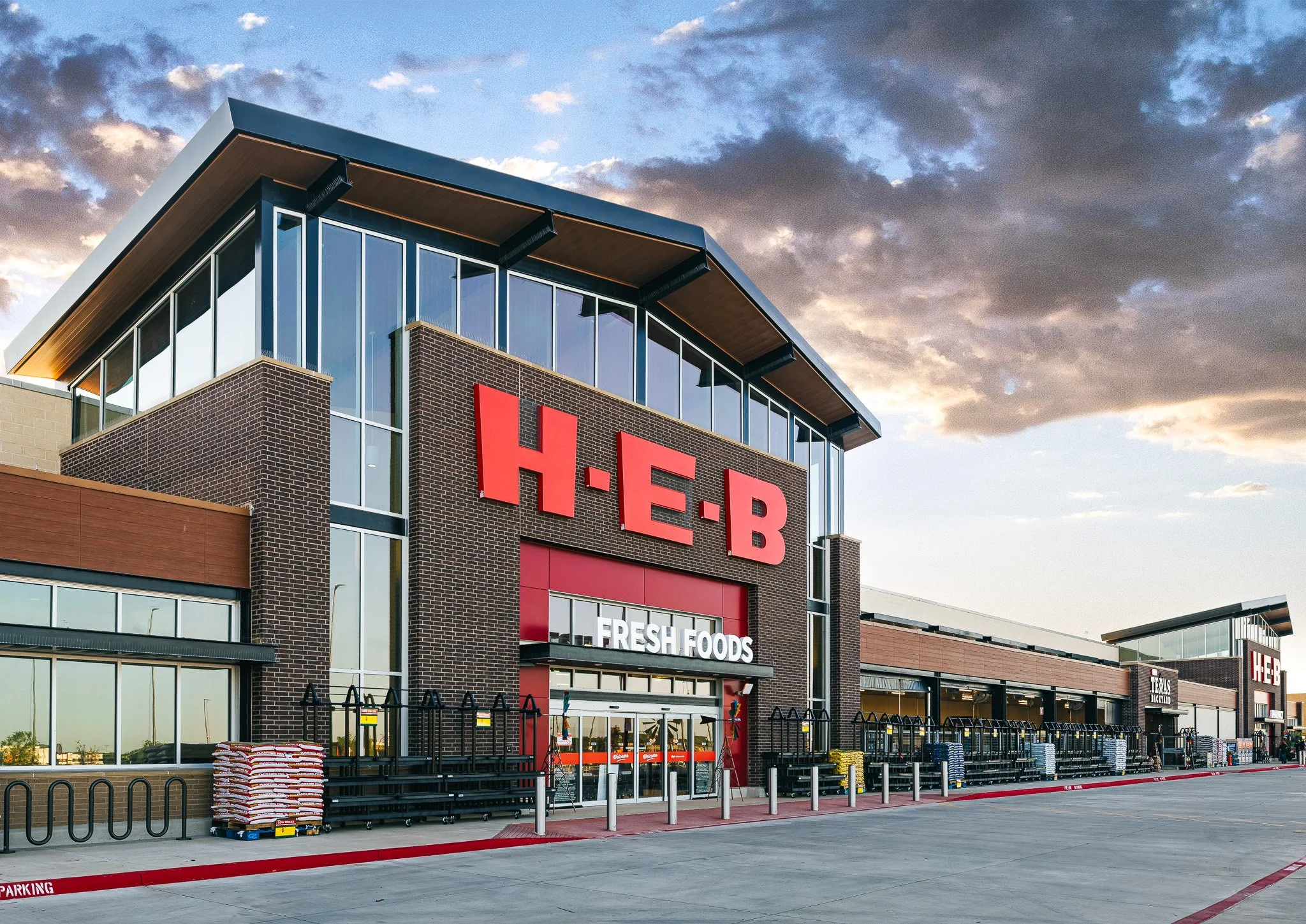
While Kroger was creating a PR crisis, HEB was doing what HEB always does: actually showing up for the communities they serve.
Their Houston stores had live Zydeco bands for Juneteenth. Beautifully decorated cakes. The kind of energy that makes customers feel genuinely celebrated rather than pandered to. This isn't a one-time thing for HEB either — they brought in a mariachi band for Cinco de Mayo. They stock different cultural foods based on real local demographics: more Asian options in Houston, more Indian and British foods in North Texas, a heavier focus on Mexican cuisine in San Antonio.
This is what knowing your audience actually looks like in practice — not a demographic spreadsheet, but operational decisions that reflect a genuine understanding of who walks through your doors.
The contrast between HEB and Kroger is a perfect case study in small business branding done right versus brand strategy built on assumptions. One of them did the work. The other printed "free at last" on a cake and called it inclusive.
What This Means for Your Brand Strategy
Here's where this gets real for small business owners.
Your brand values aren't marketing copy — they're operational decisions. Every person you hire, every client you take on, every policy you implement communicates your actual values louder than anything on your website. Kroger's situation started with one bad product, but the damage stuck because it felt consistent with a brand that wasn't paying attention. Your team's actions are your brand's actions — full stop.
Knowing your audience means more than knowing their demographics. Target had plenty of data on who shopped there. What they apparently didn't have was a real understanding of what those customers actually valued and what would happen if they felt betrayed. There's a massive difference between surface-level audience research and genuine audience insight. The first tells you who they are. The second tells you what they'll do when you get it wrong.
Customer loyalty is earned through consistency, not recovered through apologies. Target putting DEI back in place after the backlash didn't fix it — because actions taken under pressure don't read as authentic. They read as damage control. And people remember the difference between a brand that lives its values and one that performs them when it's convenient.
Here's the part that small business branding gets right when corporate branding fails: you can actually listen and pivot faster than any corporation ever could. You don't have seventeen layers of approval before making a decision. You can talk directly to your customers, adjust in real time, and build the kind of genuine customer loyalty that Target would spend millions trying to manufacture.
That agility is your advantage. Use it.
The Bottom Line on Brand Strategy and Audience
The brands that survive this shift aren't the ones with the biggest marketing budgets. They're the ones that actually understand — and give a damn about — the people they're trying to reach. Strong brand strategy isn't about controlling the narrative. It's about earning the right to be part of it.
Your customers are already telling you what they want and what they won't tolerate. The question is whether you're listening.
What are you seeing in your own industry?
