
Why Your Email Marketing Strategy Needs a Rethink (And What to Do Instead)
Here's a scenario that probably sounds familiar: you set up an email list, built a workflow, attracted some subscribers with a freebie, and then... you stopped. Not because you ran out of things to say. Because something about the whole setup stopped feeling like you.
That's not a platform problem. That's a strategy problem.
I went through this exact reckoning when I decided to walk away from Flodesk and transition my newsletter to Substack. On the surface, it looked like a tool swap. But what it actually was — and what took me a while to admit — was a full reset of how I was thinking about content strategy, who I was building for, and what kind of business I actually want to run.
If you're a founder or entrepreneur who has been staring down an email list that's going nowhere, this is for you.
The Tool Wasn't the Problem. The Strategy Was.
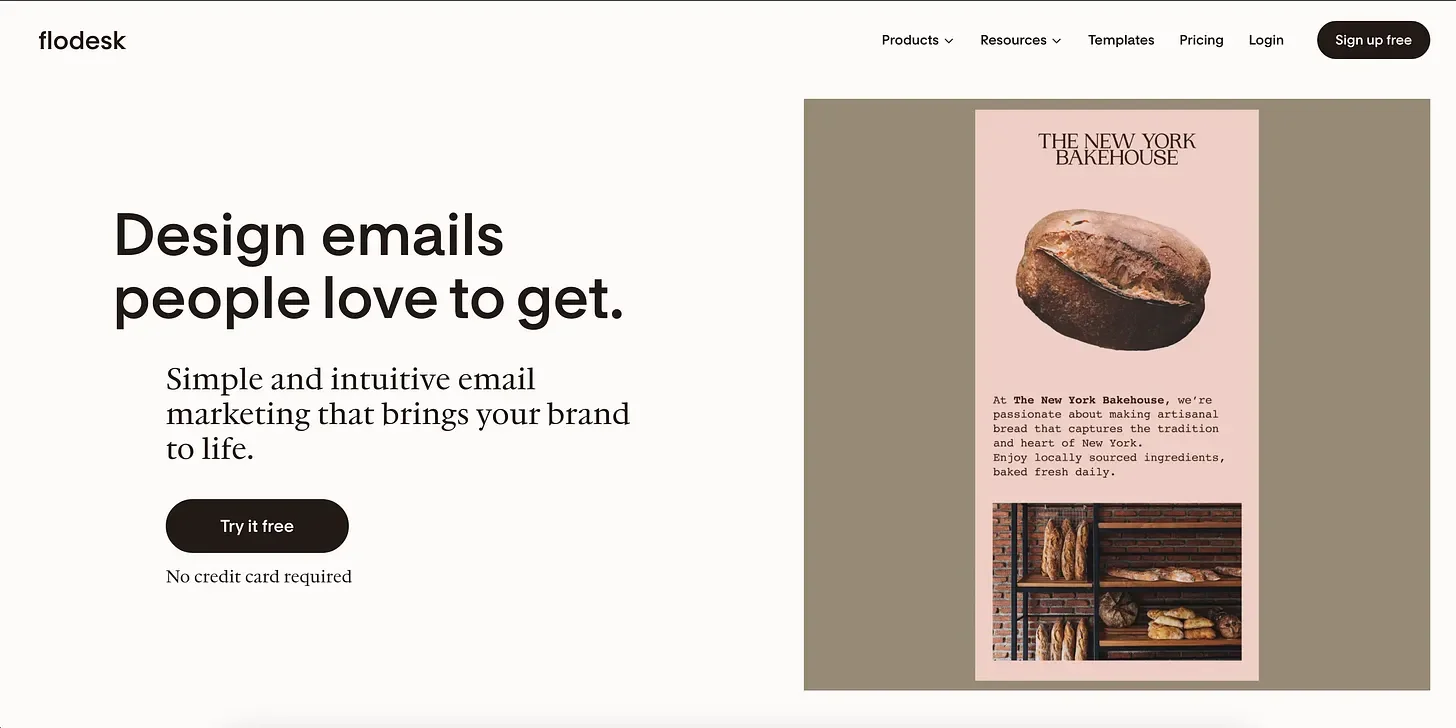
When I started my business back in 2018, the conventional wisdom was simple: build an email list, offer a freebie to grow it, and set up automation sequences to nurture those subscribers into clients. Flodesk was the shiny new option at the time — beautiful templates, solid workflows, easy segmentation. It checked every box on paper.
And for a while, I did exactly what I was supposed to do. I built forms. I set up welcome sequences. I segmented my subscribers by where they came from and whether they were designers or business owners. Technically, the machine was running.
But eventually I stopped sending altogether. Not because I was busy (I was, but that's never the real reason). It was because I was sending content into a void. No replies. No engagement. No sense that anyone on the other end actually cared — or that I was writing for a real person rather than a subscriber segment.
Here's what I know now that I didn't understand then: the automation and segmentation I was so proud of were actually keeping me from having a genuine relationship with my audience. I was optimizing a funnel when I should have been building a conversation.
When Your Content Strategy Doesn't Match Your Business Direction, You'll Feel It
One of the clearest signs that it was time to rethink my approach wasn't the platform — it was who I was attracting.
The freebies I'd built and the content I'd been sending were pulling in an audience that leaned toward DIY branding — people looking for templates, quick tips, and shortcuts. That audience is totally valid, and that content was genuinely useful. But it wasn't the audience I was building my business to serve. I work with founders who are ready to invest in strategic brand work. Those people don't usually show up because of a free download.
Think of it like this: if you own a high-end restaurant, you don't build your marketing around happy hour specials. Not because happy hour is bad, but because the people who come for cheap drinks at 4pm aren't the same people who'll book a private dining room. Your content strategy is a filter. And if yours is attracting the wrong people, the problem isn't the platform you're using to send emails — it's the kind of content you're putting into the world.
This is the real reason I stepped back from the freebie-and-welcome-sequence model. Not because it doesn't work — for the right business, it absolutely does. But it wasn't working for the business I was trying to build.
What the Platform Switch Actually Taught Me About Content Strategy
Switching to Substack wasn't about finding a better email tool. It was about finding a format that matched what I actually wanted to do with my content.
Substack is built for long-form writing and community — it's less of an email marketing platform and more of a publishing platform that happens to land in inboxes. For a lot of businesses, that distinction matters. Flodesk is excellent if you need designed email campaigns, automation workflows, and sales funnels. But if your goal is to demonstrate expertise, build trust over time, and have real conversations with the people who follow your work, those features don't actually help you. You're adding complexity to a problem that doesn't need it.
What shifted for me was this: I stopped treating my newsletter as a marketing tool — a place to announce open project spots and promote services — and started treating it as a thought leadership channel. The goal wasn't to push people toward a purchase. The goal was to be the voice that founders and entrepreneurs trust when they're trying to figure out their brand strategy.
That's a fundamentally different content strategy. And no amount of beautiful Flodesk templates was going to close that gap.
Three Questions to Audit Your Own Email Marketing Strategy
If any of this is resonating, here's a quick gut-check for your own content strategy:
1. Who is your content actually attracting?
Look at the last 10 people who signed up for your list. Are they the kind of clients you want to work with? If not, what does your content say about who it's for? Your content makes a promise about who belongs on your list. Make sure it's the right promise.
2. Are you creating content you're proud of, or content that checks a box?
There's a huge difference between sending an email because you have something worth saying and sending one because your editorial calendar says Tuesday is newsletter day. Subscribers can feel that difference. If you've been creating content out of obligation, the disengagement you're seeing in your metrics is a reflection of that.
3. Does your platform match your goals — or your ego?
More features are not always better. Sometimes the most sophisticated email marketing setup in the world is solving a problem you don't actually have. Be honest about whether you need automation workflows and granular segmentation right now — or whether what you really need is to write something worth reading and send it to people who want to hear from you.
The Real Shift: From Marketing Tool to Trust Builder
Here's the reframe that changed everything for me: email is not primarily a sales channel. It's a relationship channel. And if you've been treating it like a funnel when it should be functioning like a conversation, that's why it's not working.
The most effective content strategy for founders and service-based businesses isn't the most automated one. It's the one where the person on the other end of your email feels like you're talking directly to them — about a problem they actually have, in a voice that sounds like a real human being wrote it.
That's harder to systematize than a welcome sequence. But it's the kind of content that builds the trust that eventually leads to clients who say, "I've been following your work for a while — I'm ready to work together."
No freebie required.
Want to See This in Practice?
Every week in The Rogue Creative, I write about brand strategy, content, and what it actually takes to build something that resonates — without the corporate jargon or the 10-step formulas.
Subscribe at theroguecreative.substack.com — free forever, or $5/month if you want to support the work.
